TL;DR
- Cake decorators can turn their recipes, decorating skills and business experience into digital products, including ebooks, templates, guides, classes and software.
- Choose your first product around a specific problem you can help another baker solve.
- Start with a focused, manageable product. You don’t need a large following or a full online course to begin.
- Test demand with your intended buyers before spending weeks creating the product.
IN THIS ARTICLE
- What Makes a Useful Digital Product for Cake Decorators?
- Recipe-Based Products
- Technique & Skill Resources
- Digital Tools, Templates and Software
- Classes & Educational Products
- Which Digital Product Should You Create First?
- Don’t Create the Product Until You’ve Tested the Idea
- You May Already Have the Beginning of Your First Digital Product
If you decorate cakes for a living, you probably have knowledge that other bakers would find useful. You know how to achieve a smooth finish, which fillings work well together, how to plan a busy week and what to do when a cake refuses to cooperate. Much of that experience is used to fulfil the next order, but it can also become something you sell in its own right.
Digital products for cake decorators can take several forms, from a single recipe or printable template to a practical spreadsheet, workshop or online course. You do not need to turn everything you know into a large programme. A useful starting point is one specific problem you can help another baker solve, presented in a format that makes it easier for them to get the result they want.
This article explores 15 possibilities across the four product categories in The Digital Bakery Model. Use them to recognise the opportunities in your own recipes, skills and working methods, then narrow the list to an idea you can test with the people you want to serve.
What Makes a Useful Digital Product for Cake Decorators?
A digital product is something a customer can access electronically, such as a downloadable guide, editable template, recorded lesson or software tool. Its value comes from what it helps them do. A cake colour guide might help someone recreate a particular shade, while a production planner might help a busy baker organise several orders without missing a preparation step.
Before choosing a format, think about the buyer and the situation they are in. A beginner practising buttercream needs different support from an established cake business managing a full order book. The clearer you are about that situation, the easier it becomes to decide what to include, how much explanation is needed and whether the product is useful enough to pay for.
Digital products can create another way to earn from your experience, but they still need development, marketing and customer support. If you are considering how they could fit alongside your existing orders, read how to scale a home bakery business without baking more.
Recipe-Based Products
Recipes can be a natural starting point when you have developed something distinctive or repeatedly receive questions about how you make it. The product should give the buyer enough detail to reproduce the result, including the method, quantities, equipment and the observations that help them know they are on the right track.
1. A Signature Cake Recipe
One well-tested cake recipe can become a focused digital product. It could be a flavour your customers regularly request, a sponge that performs reliably in celebration cakes or a recipe you have refined through repeated baking. A useful download goes further than an ingredient list: it explains the process, suitable tin sizes, texture cues, assembly and any tested variations.
Choose a recipe with a clear reason for someone to want it. If other bakers already ask how you achieve the flavour or finish, those questions give you something to investigate. Kylie’s cake recipe story offers an example of a baker turning an existing recipe into a digital product.
2. A Recipe Ebook or Collection
A recipe ebook brings several recipes together around a clear theme. For a cake decorator, that could mean celebration cake sponges, a collection of complementary cake and filling combinations or recipes suited to a particular style of baking. A focused collection gives the customer a reason to choose it and helps you decide which recipes belong in the book.
You do not need to include every recipe you have ever developed. A smaller collection that answers a specific need can be easier to test and organise. For another approach to a focused recipe collection, see Yessica Vera’s cookie pie recipe ebook case study.
3. Fillings, Frostings and Ganache Guides
The knowledge behind a reliable filling or frosting can be valuable on its own. You could create a guide to flavour pairings, buttercream consistency or ganache preparation for a particular decorating method. Explain the conditions under which you tested the recipes and show the visual or texture cues a baker needs to recognise.
A guide becomes more useful when it helps the reader make decisions rather than simply presenting several recipes. Explain why you choose a particular consistency for filling or covering a cake, how you adjust your process and which combinations you have found work well together. Include storage guidance only where you can substantiate it for the recipes involved.
4. Recipe Troubleshooting or Scaling Guides
If you regularly help bakers understand why a sponge sinks, a mixture splits or a larger batch behaves differently, that experience could become a troubleshooting guide. Organise it around the symptoms your reader recognises, possible causes and practical checks they can make on their next bake. Photos of your own test batches can make those explanations easier to follow.
A scaling guide could cover tested conversions for a defined set of recipes and tin sizes. Be clear about what you have tested, because increasing ingredient quantities does not automatically establish a suitable baking time or guarantee the same result. The value lies in your reliable process and explanation.
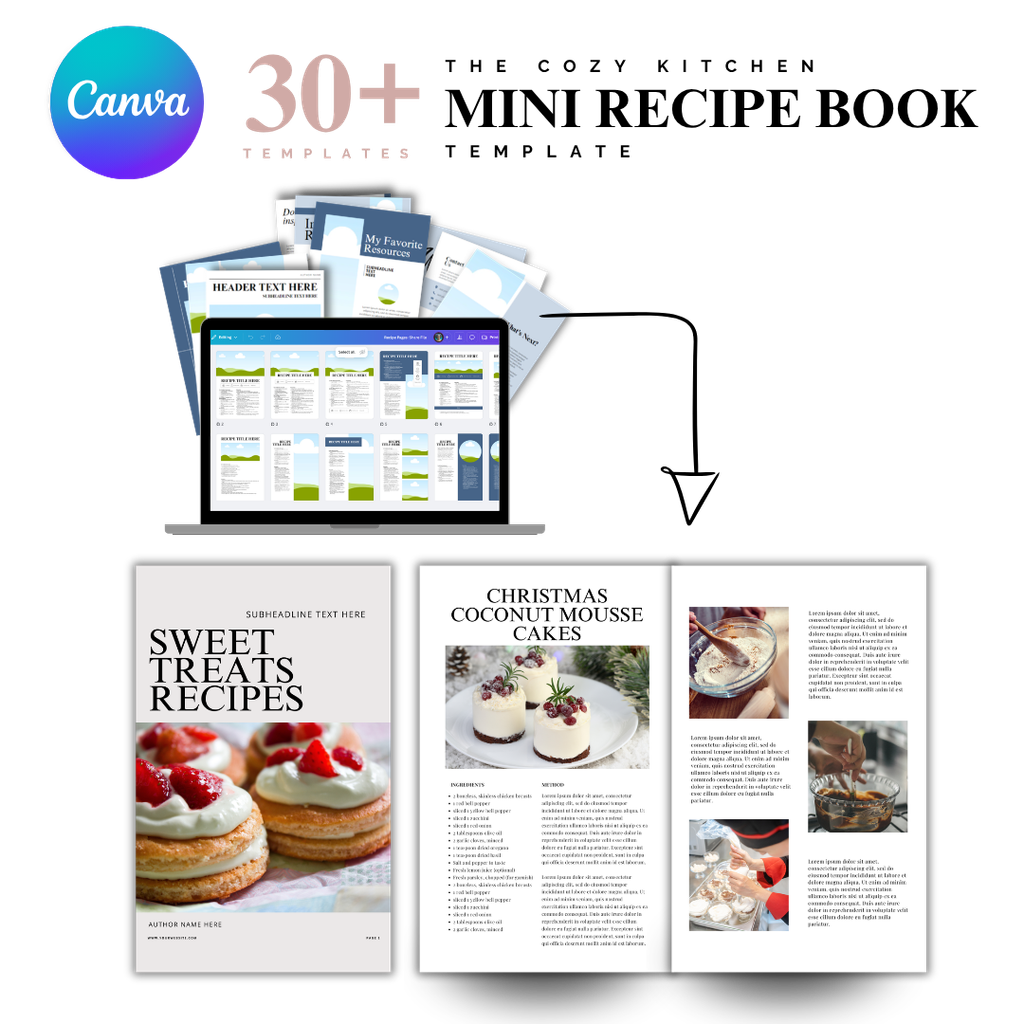
READY TO PACKAGE YOUR RECIPES?
Turn the recipes people already ask you for into a professional ebook.
If your audience is already asking for recipes, saving your baking content or messaging you for tips, you may already have the beginnings of a digital product.
The Recipe eBook Template gives you a done-for-you structure to turn those recipes into a polished ebook you can sell without starting from a blank page.
Technique & Skill Resources
Some of your most useful knowledge may be about how you decorate rather than what you bake. These products help the customer practise a particular task, plan a design or understand the small details that make a technique work.
5. Cake Decorating Templates
Cake decorating templates could include piping practice sheets, design planning pages, spacing guides or printable patterns for a specific decorating effect. They give the customer a starting point they can use repeatedly, especially when positioning or consistency is difficult to judge by eye.
Include printing instructions, dimensions and an example of the template in use. A short explanation of how to transfer or apply the pattern can turn a simple printable into a more complete resource. Develop original designs and make the intended use of the files clear.
6. Cake Topper Templates
A cake topper template helps the buyer create a decorative element without designing it from the beginning. Depending on your experience, you could offer printable layouts, lettering arrangements or original digital designs for a clearly specified making process. A coordinated collection for an occasion or visual style can be easier for a buyer to understand than a mixed bundle.
Explain what is included, which file formats the buyer receives and what equipment or software they need. If you provide cutting-machine files, test them with the equipment you say they support. Instructions and an image of the finished topper help the buyer judge whether the product suits their project.
7. Colour Mixing and Cake Colour Guides
If other decorators ask how you achieve your cake colours, you could create a guide showing the combinations and process behind a particular palette. Include photographs taken under consistent lighting, the products you used and the base icing or medium you tested. That context matters because a colour can appear different in another mixture or on another screen.
You might focus on muted wedding colours, coordinated seasonal palettes or a set of shades for one decorating style. Explain the adjustments you make and give the reader a way to practise with a small batch. Position the guide as a tested reference rather than a promise that every brand and batch will produce an identical shade.
8. Technique Guides
A technique guide can teach a single decorating skill through written instructions and clear photographs. Examples include achieving sharp buttercream edges, piping a particular flower, applying a stencil or creating a textured finish. Choose something you can explain in enough detail for the reader to practise independently.
Show the preparation, the sequence of steps and the mistakes a learner is likely to encounter. Your explanation of what to look for, when to pause and how to correct a problem may be more helpful than a photograph of the finished cake alone. Sabrine Sanon’s case study provides another perspective on turning distinctive baking knowledge into a digital product.
Digital Tools, Templates and Software
Practical business knowledge can also become a digital product. If you have developed a useful way to calculate, organise or manage your work, another cake business may benefit from it. This category covers editable documents and spreadsheets as well as tools, apps and software.
9. Bakery Pricing Spreadsheets or Calculators
A pricing spreadsheet could help a cake decorator organise ingredient costs, labour time, packaging and overhead assumptions when working out a price. The strongest version makes its calculations understandable and gives the buyer clear instructions for entering their own figures.
Avoid presenting one calculation as the correct price for every business. Explain the assumptions, distinguish costs from profit and test the formulas with different examples. A spreadsheet that helps someone understand their numbers is more useful than a complicated file they are afraid to change.
10. Cake Business Planners
A cake business planner could help decorators map out order capacity, seasonal offers, weekly priorities or business goals. It might be a printable document, an editable workbook or a digital planner, depending on how your audience prefers to work.
Build it around a real planning task. For example, a weekly order planner could connect collection dates with preparation deadlines and available working hours. Prompts, a completed example and guidance on how to review the plan help the customer use it consistently.
11. Order, Enquiry and Client Templates
If you have a clear process for collecting cake details and responding to enquiries, you could create editable forms, enquiry replies, consultation checklists or client information templates. These can help a baker remember the questions they need to ask and communicate the next steps more consistently.
Make the templates easy to adapt to different businesses and explain when to use each one. Keep routine communication templates distinct from specialist documents such as legal contracts, and avoid suggesting that a standard file covers every business situation.
12. Production, Planning and Workflow Tools
The systems you use to prepare several orders could become production schedules, batch planning spreadsheets, ingredient calculators or preparation checklists. A tool might help the user work backwards from a collection date, consolidate ingredient quantities or see which tasks need attention across the week.
This idea can also extend into apps and software. A decorator who identifies a recurring workflow problem could develop a simple digital tool, work with a developer or explore a subscription platform that supports a wider process. The useful starting point is the problem being solved: what does the baker currently repeat, forget or struggle to coordinate?
Software usually brings more development, testing, maintenance and support than a downloadable template. Start by testing whether your approach helps people complete the task, even if the first version is a spreadsheet. A more advanced product can grow from evidence that users need it, rather than from the assumption that an app must be more valuable.
Classes & Educational Products
When a skill is easier to understand by watching or asking questions, an educational product may suit it better than a download. The right format depends on how much support the learner needs and how much teaching and delivery you want to provide.
13. Step-by-Step Tutorials
A paid tutorial can demonstrate one complete technique or project, such as decorating a particular cake style or creating a detailed sugar flower. Show the tools, preparation and intermediate stages, and explain your decisions while the learner can see what you are doing.
Keep the promised outcome specific. A focused tutorial with a supporting checklist or materials list can be a useful product without requiring a full course library. Film at a pace that lets the learner follow the difficult stages and revisit them while practising.
14. Live Online Workshops
A live workshop gives learners a chance to watch, practise and ask questions. You could teach one decorating technique, run a guided design session or help cake business owners work through a practical planning task. Be clear about whether participants will work alongside you or watch a demonstration.
Explain the skill level, materials, duration and preparation required before someone registers. A live session can help you understand where learners need more explanation, but it also requires scheduling and delivery time. Include a replay only if you intend to record and make it available.
15. Recorded Mini-Courses or Online Cake Decorating Courses
A recorded mini-course can take a learner through a connected sequence of lessons, such as preparing, filling and finishing a particular style of cake. A larger course may be appropriate when the result requires several skills and a structured learning path.
Choose the scope from the learner’s needs. You can begin with one well-defined outcome and add resources or lessons where they help the student achieve it. Building a large course before testing demand increases the amount of work involved without telling you whether the audience wants that particular result.
Which Digital Product Should You Create First?
The best digital products for cake decorators are those that connect a skill you can confidently share with a problem a particular audience wants to solve. To choose your first idea, look at the questions people already ask you, the results you achieve consistently and the processes you have explained successfully to others.
Compare your strongest ideas by asking who would buy each one, what they would be able to do afterwards and how you could demonstrate the value. Then consider the work required to create and support it. A short guide might suit a clearly explained process, while a tutorial could be more appropriate when hand movements and visual cues matter.
Start with a scope you can deliver well. A single recipe, focused guide or practical template can give you a manageable way to learn about your buyers before committing to a larger collection, course or software product. Once you have chosen an idea, this guide to where to sell digital products online can help you think through the selling setup.
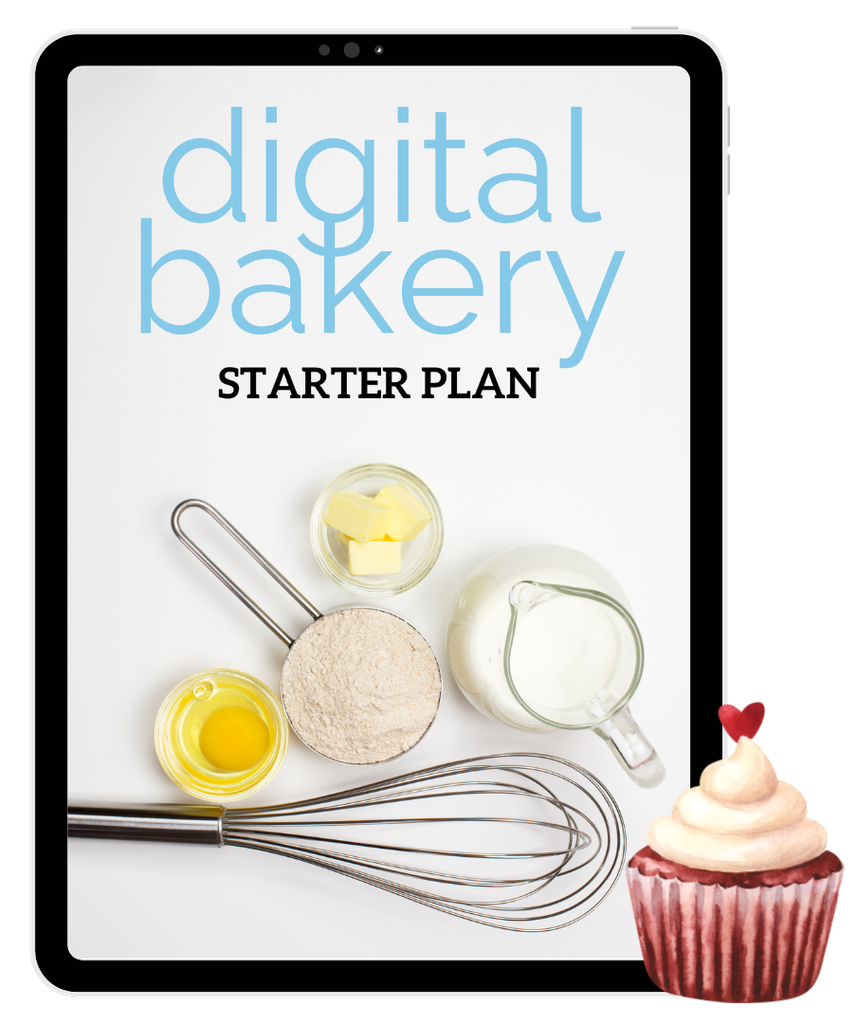
READY TO TEST YOUR OWN IDEA?
Turn audience interest into one digital product idea worth testing.
The Digital Bakery Starter Plan helps you narrow your ideas down to one product and work out whether there’s enough interest before you spend weeks creating it.
Don’t Create the Product Until You’ve Tested the Idea
An idea that sounds useful to you still needs to make sense to the buyer. Speak to the people you want to serve about the task they find difficult, what they have already tried and the result they are hoping for. Ask about their experience before showing them a proposed product, so you can understand the need in their own words.
You can then share a clear description, a sample or a small demonstration and invite a concrete response. An expression of interest is useful, but it is different from a purchase. A small paid pilot or clearly explained preorder can provide stronger evidence, provided you set out exactly what customers will receive and when.
Use what you learn to adjust the idea, format and scope. If people repeatedly ask for help with one stage, your first product may need to focus there. If they struggle to understand what it does, improve the explanation before spending weeks adding more content. The recipe ebook launch guide explores how to approach a launch before you have a huge audience.
You May Already Have the Beginning of Your First Digital Product
Your starting point may be a recipe you have refined, a technique people ask you about or a planning method that makes your working week easier. You do not need to create all 15 products. Choose one opportunity, understand who it helps and test whether those people want the result you can offer.
If you would like help exploring the options, start with the Digital Bakery Starter Guide and use the four product categories to look at your own recipes, skills and experience. The aim is to find a focused first idea you can investigate before committing to a bigger project.
FREQUENTLY ASKED QUESTIONS
Questions cake decorators often ask about digital products
Do cake decorators need a large following to sell digital products?
No. Cake decorators do not need a large following to begin testing and selling digital products, but they do need a way to reach people who want the result they offer. A smaller audience of bakers interested in learning a particular skill can be more useful than a large audience that mainly wants to buy finished cakes. Start by understanding those buyers and testing a focused idea; audience size alone does not establish demand.
Can I sell cake recipes online?
Yes. An original, well-tested cake recipe can become a digital product. Give buyers clear quantities, methods, tin sizes and the practical cues they need to reproduce the result, and include only text, images and materials you have the right to use. Focus on a recipe with a clear reason for another baker to want it, then test whether that audience is interested before creating a larger collection.
What is the easiest digital product to start with?
A single recipe, short technique guide or simple template can be a manageable first product when it builds on something you already know well. The easiest choice depends on your skills, the materials you have and the problem your buyer wants to solve. Keep the first version focused on one useful result and test the idea before expanding it into a collection, course or software product.
Do I need to create an online course as a cake decorator?
No. An online course is one possible format, but a recipe, guide, template or focused tutorial may give your customer all the help they need. Choose a course when the outcome benefits from a connected sequence of lessons. You can begin with a smaller product, learn what buyers need and consider a course later if there is demand for more structured teaching.