TL;DR
- Price your recipe ebook around the buyer, the result it helps them achieve and the guidance included, rather than its page or recipe count.
- Compare offers that serve similar buyers and solve similar problems; another baker’s price is a reference point, not a rule.
- Choose a starting price you can explain, account for selling costs and define any introductory offer clearly.
- Test your offer with relevant buyers and use their response to improve the product, positioning or price.
IN THIS ARTICLE
- How Much Should You Charge for a Recipe Ebook?
- More Recipes Don’t Automatically Mean a More Valuable Ebook
- 7 Factors That Should Influence Your Recipe Ebook Price
- The Difference Between a Cheap Recipe Ebook and a Premium Recipe Product
- Should You Look at What Other Bakers Charge?
- Should You Launch Your Recipe Ebook at a Lower Price?
- A Simple Way to Choose Your Starting Price
- Common Recipe Ebook Pricing Mistakes
- Your Recipe Ebook Doesn’t Need to Be Cheap Just Because It’s Digital
You have tested your recipes, written the instructions and started imagining what your ebook could look like. Then comes the question that can make the whole project feel uncertain: what should you charge? A price that feels comfortable to you might seem too low for the work involved, while a higher price can bring up doubts about whether anyone would pay for recipes when so many are available for free.
When deciding what to charge for your recipe ebook, think about why another baker would want it. They might want to make a flavour their customers keep asking for, learn a method that works consistently or understand why their bakes keep going wrong. Some may want to add something new to their bakery menu. What your ebook helps them do matters more than how many pages it contains.
There is no universal recipe ebook price that suits every baker. This guide gives you a practical way to choose a starting price, explain the value behind it and learn from how relevant buyers respond, without relying on a price-per-recipe formula.
How Much Should You Charge for a Recipe Ebook?
You should charge a price that makes sense for the intended buyer, the specific result your ebook helps them get and how much guidance you provide. Research comparable products, account for the costs of selling and supporting your ebook, and choose a starting price you can explain. A small collection for casual home baking and a specialist guide for a working baker do not necessarily belong at the same price.
That does not mean the more expensive product is automatically better. It means the buyer’s purpose matters. Someone looking for a few weekend baking ideas may consider an ebook differently from a micro-bakery owner trying to produce a consistent item for their menu. Before asking “How much should I sell my recipe ebook for?”, think about which of those situations your product is designed to help with.
Your starting price is a decision to test, rather than proof that you have found the perfect figure. The important thing is to make that decision deliberately, using a clear offer and some knowledge of your buyer, instead of copying the first price you see or choosing the lowest amount you feel comfortable asking for.
More Recipes Don’t Automatically Mean a More Valuable Ebook
You might think, “I only have six recipes, so I can’t charge much,” or “If I add another ten recipes, I can charge more.” But the number of recipes alone won’t tell you what your ebook is worth to the person buying it.
Someone may be willing to pay for one cake recipe they have struggled to get right, especially if you include clear instructions, photos and tips that help them avoid another wasted batch. Adding ten other recipes won’t necessarily make that ebook more useful to them.
When choosing your price, consider what the buyer gets from your knowledge and guidance as well as the recipes themselves. Don’t assume a small collection must be cheap, and only add more recipes if they give your buyer something they actually want.
7 Factors That Should Influence Your Recipe Ebook Price
Before choosing a price, consider these seven things. They’ll help you think about who your ebook is for, how it will help them and what’s included. Buyers need to understand what they’re getting and why it’s worth paying for.
1. Who Is the Buyer?
Be specific about who the ebook is for. A beginner, an experienced hobby baker and someone running a bakery may have different priorities, budgets and expectations. A beginner may need more explanation of basic steps, while an experienced baker might value a distinctive formula or a reliable solution to a familiar problem.
Pay attention to the questions people ask about your recipes and the baking guides they already buy. People who order your cakes may have no interest in making them themselves. To find out whether your ebook’s price makes sense, ask bakers who want to learn what you’re teaching. If you only ask customers who want a finished cake, they may not want the ebook at any price.
2. How Specific Is the Result?
Telling someone your ebook contains cake recipes doesn’t explain why they might want it. Be clear about what it will help them make or improve, such as baking a moist chocolate cake, stacking a tall cake or making a smooth ganache. This helps buyers understand whether the ebook is useful to them. Make sure your instructions help them achieve the result you describe.
You do not need to exaggerate the outcome. Explain what readers will be able to practise or make, the skill level required and any limits. A clear, realistic promise is more useful than a broad claim that your ebook will transform every part of their baking business.
3. What Is Included Beyond the Recipes?
Supporting guidance may include ingredient explanations, equipment, process photographs, tested variations, troubleshooting, assembly steps or practical production notes. These details can help a buyer apply the recipes successfully rather than becoming stuck at the same stage they struggled with before.
Include extra information because it helps the baker, not just to make the ebook longer so you can charge more. A short section explaining how to fix common baking problems may be more useful than extra recipes they don’t need. Tell buyers what’s included, such as step-by-step photos, tips for fixing mistakes or instructions for putting the cake together, so they understand what they’re paying for.
4. How Difficult Was the Knowledge to Develop?
A recipe refined through repeated testing or a method developed through years of practice may contain knowledge that is difficult to reproduce from a quick search. Your decisions about ingredients, consistency and process can be part of what the buyer wants to learn. Show that expertise through clear explanations and evidence of your work.
The time you spent matters to your business, but it does not translate automatically into an amount the customer will pay. A difficult development process is relevant when it produces something the buyer wants. Connect your experience to the usefulness of the finished product instead of making the price depend only on how many hours you worked.
5. Will It Help Someone in Their Baking Business?
Your ebook might help another baker add a new flavour to their menu, prepare orders more easily or get the same good result every time. If it helps with something they regularly struggle with when baking for customers, that can give them a reason to pay for it.
Explain how they can use what you teach, including whether they can sell the bakes they make from your recipes. Don’t promise that buying your ebook will earn them a certain amount of money. They will still need customers who want those bakes and a selling price that covers their costs.
6. What Proof and Trust Support the Offer?
Your own photographs, a sample page, clear demonstrations and honest feedback from testers can help buyers judge what they are purchasing. People are more likely to understand a specialist offer when they can see the result and how you explain the process, rather than being asked to rely on a cover image alone.
Trust also comes from accurate details. Explain the format, what is included, who it suits and what support is available. If you are selling your first ebook, you can build confidence with a clear sample and evidence of testing; you do not need to invent testimonials or imply that customers have already achieved results.
7. Where and How Will You Sell It?
Someone who follows your baking content may already know your work and trust your recipes. Someone finding your ebook on a marketplace may know nothing about you and be comparing it with other ebooks. Your product page needs to explain what’s included, who it’s for and why they should buy it.
Remember that you may not keep the full amount from each sale. Payment services and selling platforms may charge fees, and advertising will cost extra if you use it. Also think about how much time you’ll spend answering buyers’ questions. Check the fees before choosing where to sell. Where to Sell Digital Products Online explores the different selling setups available to bakers.
READY TO TEST YOUR OWN IDEA?
Turn audience interest into one digital product idea worth testing.
The Digital Bakery Starter Plan helps you narrow your ideas down to one product and work out whether there’s enough interest before you spend weeks creating it.
The Difference Between a Cheap Recipe Ebook and a Premium Recipe Product
A low-priced recipe ebook can still be good quality, and a higher-priced ebook doesn’t have to contain more recipes. What matters is what the buyer needs and how much help your ebook gives them.
For example, someone baking for fun might want a few new cake flavours to try. A baker making cookie pies to sell might want recipes plus detailed instructions for filling, baking, decorating and fixing common problems. That extra help may give them a reason to pay more.
A good-looking ebook should also be easy to use, with clear instructions, useful photos and sections readers can find quickly. A beautiful cover alone isn’t a reason to charge more. Buyers need to understand how the information inside will help them.
Should You Look at What Other Bakers Charge?
Yes, look at what other bakers charge, but compare ebooks that are similar to yours. Think about who they’re for, what they teach and what’s included. An ebook containing recipes alone is different from one that also includes detailed guides or video lessons.
For example, our Natali Bullock case study records a $25 recipe ebook. Our Yessica Vera case study describes a $49.99 cookie pie guide with six recipes and extra guidance. These are prices recorded in the case studies, so check the sellers’ latest prices when doing your research.
This doesn’t mean your ebook should cost between $25 and $49.99. Look at what each buyer gets and how it compares with what you plan to include. The price alone won’t explain why one ebook costs more than another.
Choose a few similar ebooks and note their prices, currencies, what’s included and whether they’re on sale. Use this to help you choose your own price, rather than copying the cheapest one. You can see what someone charges, but that doesn’t tell you how many copies they sell or how much money they keep after costs.
Should You Launch Your Recipe Ebook at a Lower Price?
You can offer a lower price when you first launch your ebook to thank early buyers or encourage a small group to try it and give feedback. But you don’t have to. A discount won’t make people want an ebook they aren’t interested in, and your first ebook doesn’t need to be cheaper just because it’s your first.
If you offer a launch price, tell buyers what they’ll receive and when the offer ends. If you say the price will go up afterwards, follow through. If buyers are paying before the ebook is finished, clearly explain what’s ready, what’s still to come and when they’ll receive it.
Sales at a launch price show that people will buy at that price. They don’t tell you whether people will pay the full price. Once the offer ends, watch how sales change before deciding whether your regular price is right.
If you want to plan the launch alongside the price, read How to Launch a Recipe Ebook Before You Have a Huge Audience. Yessica’s story shows how finding out what bakers wanted helped her decide what to include in her ebook before she started selling it.
A Simple Way to Choose Your Starting Price
A starting price becomes easier to choose once you can explain what is being sold and why it matters to the buyer. Work through the following questions before selecting a figure, then use comparable offers and your selling costs to check whether that figure makes sense.
Answer Four Questions About Your Offer
- Who is this recipe ebook for?
- What specific result will it help that buyer achieve?
- What recipes, guidance and support are included?
- What evidence shows that this audience wants the result?
Write the answers in ordinary language. For example, an offer might help home bakers reproduce a particular style of filled cookie, with tested recipes, assembly photographs and troubleshooting for the mistakes they often make. That description gives you a clearer basis for comparison than “a 30-page PDF”.
Choose a Price You Can Explain
Look at the prices of similar ebooks, then consider what yours includes and how it will help the buyer. Choose one price to start with. You don’t need different prices for every type of customer. Be clear about what buyers get for their money, rather than using the number of pages to explain the price.
Work out how much you’ll keep from each sale after fees and other costs. Also consider how much time you can spend answering buyers’ questions. For example, selling 40 ebooks at $25 brings in $1,000 before any costs are taken out. You won’t keep the full $1,000.
Launch, Observe and Review
Share your ebook with bakers who are interested in what it teaches. Make sure the sales page clearly explains what’s included and makes buying easy. Pay attention to the questions people ask and ask buyers whether the ebook helped them. Keep a note of the price and any discount you offered, so you know which price people responded to.
If you don’t get many sales, don’t immediately lower the price. You may be reaching people who don’t want the ebook, your sales page may not explain how it will help them, or too few people may have seen it. Check these things first. Where possible, change one thing at a time so you can see whether it makes a difference.
READY TO PACKAGE YOUR RECIPES?
Turn the recipes people already ask you for into a professional ebook.
If your audience is already asking for recipes, saving your baking content or messaging you for tips, you may already have the beginnings of a digital product.
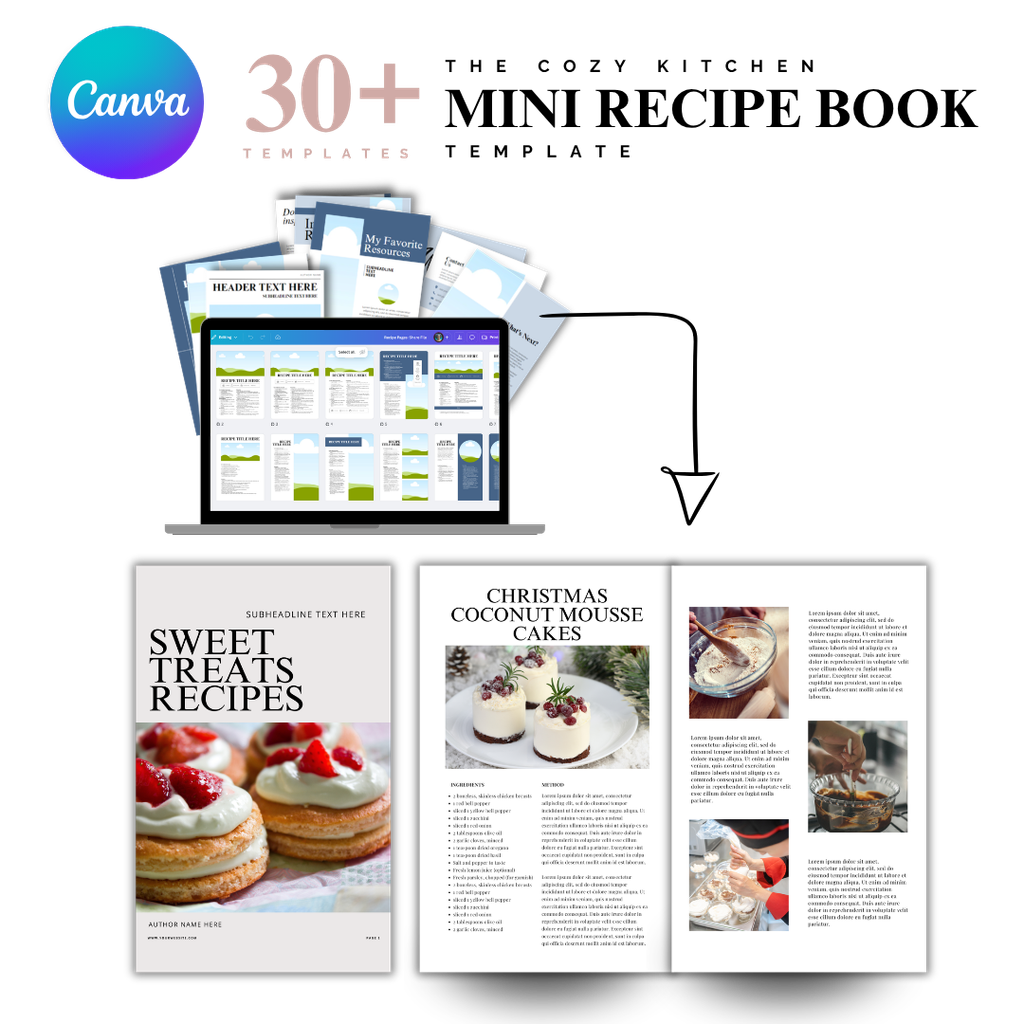
The Recipe eBook Template gives you a done-for-you structure to turn those recipes into a polished ebook you can sell without starting from a blank page.
Common Recipe Ebook Pricing Mistakes
Copying a Price Without Comparing the Product
Another baker’s price is attached to their product, audience and selling context. Copying the number without looking at those details gives you little information about whether it fits your offer. Research the comparison carefully and use it to inform your decision rather than make it for you.
Adding Recipes Just to Justify a Higher Price
Adding more recipes means more work writing and testing them, but it won’t always make the ebook more useful. Only add extra recipes if they help the buyer, rather than to make the ebook sound like better value.
Choosing a Low Price Because Asking Feels Uncomfortable
It’s normal to feel nervous about charging for recipes or advice you’ve shared for free before. But feeling nervous doesn’t mean people won’t pay. Think about who your ebook will help and why they would want it, rather than choosing a low price just because asking for more feels uncomfortable.
Ignoring Costs and Ongoing Support
Selling an ebook still involves costs, such as fees for your selling platform and payment service. You may also spend time answering buyers’ questions or updating the ebook. If you promise personal help, consider how much time that will take as more people buy.
Treating Every Quiet Launch as a Pricing Failure
If only a few people have seen your ebook, it’s too soon to say the price is wrong. Make sure you’re showing it to bakers who might want it, then ask what’s stopping them from buying. They may think it costs too much, or they may not understand what’s included and how it will help them.
Your Recipe Ebook Doesn’t Need to Be Cheap Just Because It’s Digital
A recipe ebook is delivered digitally, but the knowledge inside it may come from years of baking, repeated testing and learning how to make a process reliable. Customers can value that experience when it helps them achieve something they want. The format alone does not determine the price.
Your responsibility is to make that value understandable and deliver what you promise. Choose a clear buyer, build a focused product, explain its scope and set a starting price with a reason behind it. Then learn from real buyers rather than expecting a page count or somebody else’s listing to give you the final answer.
If the offer still feels difficult to describe, return to the buyer and the problem before adding more recipes. The Digital Bakery Starter Guide can help you explore which part of your baking knowledge could become a focused first product.
FREQUENTLY ASKED QUESTIONS
Questions bakers ask about recipe ebook pricing
How much should I charge for a recipe ebook?
There is no universal price for a recipe ebook. Choose a starting price based on the intended buyer, the result the ebook helps them achieve, the guidance included and comparable offers. Account for selling and support costs, then test the offer with relevant buyers and review their response.
Should I price a recipe ebook by the number of recipes?
Recipe count should not be the main basis for pricing a recipe ebook. A small collection with tested methods, troubleshooting and useful supporting guidance may solve a more valuable problem than a larger basic collection. Assess the whole product and the buyer’s needs, rather than assigning a fixed amount to each recipe.
How many recipes should be in a paid recipe ebook?
A paid recipe ebook has no fixed minimum recipe count. Include enough recipes and guidance to fulfil the promise made to the buyer. One distinctive recipe may suit a focused guide, while a themed collection needs enough variety to serve its purpose. State clearly what is included before the customer purchases.
Where can I sell a recipe ebook?
You can sell a recipe ebook through your own website with checkout and digital delivery, a hosted digital-product storefront or a marketplace that supports digital downloads. Choose a setup suited to your audience, budget and delivery needs, and check the platform’s current fees and terms before listing your ebook.