
TL;DR
- Bakery revenue streams can include selling recipes, software, education and practical tools, alongside your baked goods.
- Your buyers could be loyal customers, independent bakers or other bakery businesses.
- Crave, Jenna Rae Cakes, BakeIQ, Rise Baking Lab and Ali Jones Studio show different ways to package baking knowledge.
- Start with a specific buyer and problem, then test willingness to pay before investing in a finished product.
IN THIS ARTICLE
- How Can Bakeries Generate Revenue From Their Knowledge?
- 4 Bakery Revenue Streams Beyond Selling Baked Goods
- How to Choose the Right Revenue Stream for Your Bakery
- How to Test Demand for Your Bakery’s New Product
- What to Consider Before Adding a New Bakery Revenue Stream
- Start With One Opportunity in Your Bakery
When you think about growing your bakery, you might picture a second shop, more wholesale orders or a bigger production space. Those can all be useful routes. But they also bring questions about staffing, equipment and how much more your team can bake.
There is another question worth asking: what could your bakery sell from the knowledge it has already developed?
Some bakery revenue streams can come from recipes, teaching, business tools or solutions to operational problems. They give people a way to buy what you know, rather than another box of baked goods.
I explored this in my Baking Association of Canada (BAC) masterclass, How Bakery Businesses Can Turn Their Knowledge Into New Revenue Streams. You can watch the masterclass on the BAC’s website here. This article brings together the four product categories we covered, the bakery examples behind them and a practical way to test an idea.
How Can Bakeries Generate Revenue From Their Knowledge?
Yes. A bakery can earn from its knowledge when it turns something useful into a product that a specific buyer wants. That could be a recipe collection, a course, a spreadsheet or software built around a problem other bakeries share.
Think about what sits behind your counter: recipes you have refined, techniques your team has mastered and processes that keep production running. Some of that experience may be useful outside your business.
Your buyers could be customers who want to bake at home, bakers who need help with a technique, or owners trying to solve a business problem. Those groups need different products, so someone buying your cakes for a celebration may have no interest in a production-planning tool but another bakery owner might.
You do not need to share everything you know. Start with knowledge you are comfortable selling and that helps someone achieve a clear result.
4 Bakery Revenue Streams Beyond Selling Baked Goods
These four routes have different costs and demands. A downloadable recipe guide and a software business are very different commitments, even though both can grow from bakery experience.
1. Turn Bakery Recipes Into Cookbooks and Digital Collections
Your customers already know what your baking tastes like. Some may also want to learn how to make it. Crave Cupcakes offers an example of how a bakery can meet that interest. Alongside selling its baked goods, the Canadian bakery brand has brought together more than 70 recipes in their Crave Cupcakes’ cookbook giving customers a way to recreate its bakes in their own kitchens.
Jenna Rae Cakes sells cookbooks too, including Jenna Rae Cakes and Sweet Treats and Jenna Rae Cakes at Home. Its cookbook collection also points readers towards Kindle editions, showing how the same kind of knowledge can be offered in print and digital formats.
If you’re considering a recipe collection for your own bakery, these examples raise a practical question: would your customers prefer a physical book or a digital version? That choice affects both how they use it and what your bakery needs to manage. A printed cookbook could appeal as a gift or keepsake, but you’ll need to arrange printing, store stock and handle collection or delivery. A digital collection can be downloaded after purchase, without holding or posting physical copies.
Whichever format you choose, buyers still need tested recipes and clear instructions that help them recreate your bakes. The format is how you deliver the product; the recipes and guidance are what make it useful.
Question to explore: are people asking for your recipes, or are they mainly telling you how much they enjoy eating your products? Before investing time in a cookbook or recipe guide, find out whether people would pay for it. Customers asking for your recipes can give you an idea of what to create, but those requests alone aren’t proof of demand. Someone may happily accept a free recipe without wanting to buy a collection.
Use those requests to start a conversation. Which recipes do they want, what do they struggle with when baking them, and what guidance would help? Their answers can help you shape a useful offer.
Then test that offer before creating the full product. For example, offer a small paid recipe collection or a clearly described pre-order with a price and delivery date. Actual purchases give you stronger evidence than recipe requests or compliments, helping you decide whether there is enough demand to justify a larger collection.
READY TO PACKAGE YOUR RECIPES?
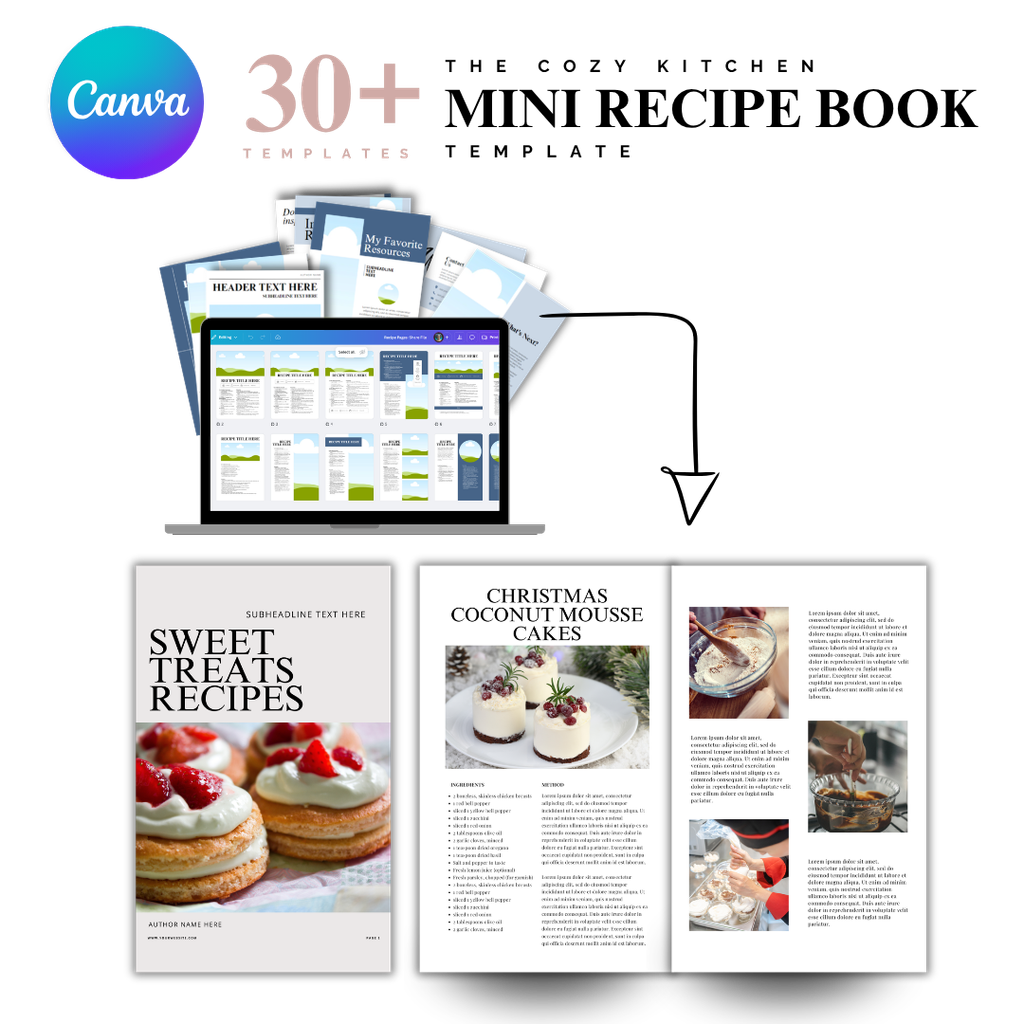
Turn the recipes people already ask you for into a professional ebook.
If your audience is already asking for recipes, saving your baking content or messaging you for tips, you may already have the beginnings of a digital product.
The Recipe eBook Template gives you a done-for-you structure to turn those recipes into a polished ebook you can sell without starting from a blank page.
2. Turn an Operational Problem Into Software
Sometimes the opportunity begins with a frustration in the day-to-day running of a bakery.
In my interview with Tahner Friedley, co-founder of Fuzion Donuts in Edmonton, he described managing connected tasks across spreadsheets, paper, emails and messages. Keeping orders, ingredients and production plans aligned depended on people remembering to update everything.
He began developing BakeIQ to bring those processes together for his own bakery. He then invited other bakeries to test it and used their feedback to understand what needed to change. At the time of our interview, he had begun bringing other bakeries on board as paying customers. BakeIQ now presents production, inventory, recipes and staffing within one bakery system.
Turning a solution from your own bakery into software for other businesses can be a substantial undertaking because the work continues beyond building it. You’ll need to maintain the system, help customers get set up and support them when they have questions or something goes wrong.
Before committing to that investment, speak to other bakery owners about how they currently manage the problem. What takes too much time, where do mistakes happen, and what have they already tried to improve it? This helps you understand whether the problem extends beyond your own bakery. You can then offer a small paid trial to test whether they will pay for help solving it.
That first version doesn’t have to be a complete software system. You could start with a spreadsheet that handles one important task, or a service where you do some of the work manually. This is a minimum viable product: a simple, usable version that delivers the main benefit you want to test. For example, before developing a full production-planning system, you might help a few bakeries create their weekly plans using a basic tool.
Starting small lets you learn what owners actually use, what needs improving and whether the result is worth paying for. You can use that evidence to decide whether to develop the software further and which features deserve investment.
3. Turn Specialist Skills Into Education and Training
Other bakers may want to learn how you achieve your results. That creates opportunities for workshops, online classes and training resources.
Rise Baking Lab offers online courses on subjects including sourdough and croissants. Co-founder Mark Hart’s experience includes working as a head baker and a technical baker for a flour mill. The business packages baking expertise into lessons people can access beyond an in-person class.
Your subject might be a baking technique, a way to improve consistency or a business skill such as production planning. If you’re thinking about creating an online course about bread, narrow it down to a specific result, such as “help small bakery owners plan their weekly sourdough production.” This makes it easier for the right buyer to understand who the course is for, what it will help them do and why it could be useful in their bakery. It also gives you a clearer focus when deciding what to include in the course.
You do not have to film a large course first. A paid live workshop can help you learn what participants struggle with, which questions keep coming up and whether the lesson produces a useful result. You can use that evidence before developing a longer programme.
The good thing about creating a recorded online course is that you can sell it to new students without delivering the same lesson each time. This allows you to reach more people without adding another teaching session to your calendar for every sale. However, you’ll still need to market the course, keep the lessons up to date and provide any student support you’ve promised.
Live teaching on the other hand lets you answer questions, give feedback and help students as they practise. However, each workshop requires your time to prepare and deliver it, so your income will depend partly on how many sessions you can realistically run alongside your bakery. Your price needs to account for that time, as well as any ingredients, materials and other costs.
4. Turn Everyday Processes Into Tools and Templates
A useful product can be much simpler than software or a course.
In the masterclass, I shared the example of Alison from Ali Jones Studio, who developed a Recipe Cost and Menu Pricing Calculator and a Recipe Scaler. These address focused tasks for smaller businesses that may not be ready for a larger software system.
Look at the tools you use repeatedly. A production-planning sheet, recipe-scaling workbook or staff-training checklist could help another bakery complete a task more easily. These can be the starting point for a product you sell to other bakery owners. However, something that works for your team may need more explanation before someone else can use it. Your team already knows your processes, terminology and how to fill in any gaps. A buyer won’t have that background.
To turn your internal file into a useful product, add clear instructions explaining what it does, who it is for and how to use it. Include a worked example so buyers can see what a completed version looks like, and make clear which parts they should adapt for their own bakery.
Before offering it for sale, ask a bakery owner outside your team to try it using only the instructions provided. Watch where they hesitate, make mistakes or need to ask you a question. This will help you identify what needs improving so buyers can use the tool confidently without relying on you to explain each step.
If you’re considering this type of product, start by reviewing the tools you’ve created to make running your bakery easier. Have you simplified production planning, recipe costing, stock control or staff training? Choose one that addresses a problem other bakery owners also face, then speak to them to understand how they currently manage it and whether your tool could help.
What could this look like in your bakery?
Let’s Talk About Your Bakery In A Digital Bakery Opportunity Conversation
If you’d like help identifying an opportunity and deciding how to test it, get in touch. Tell me a little about your bakery and what you’re considering.
How to Choose the Right Revenue Stream for Your Bakery
Start with the questions people already ask you. Then look at the skills, problems and processes behind those questions.
- Who needs it? Name a specific group, such as customers who bake at home or independent bakery owners planning production.
- What do they want to achieve? Describe a useful result, such as more consistent croissants or easier batch calculations.
- What can you share? Choose knowledge you have the experience and permission to sell.
- What can your team deliver? Consider creation time, marketing and the support needed after a sale.
Next, choose one type of buyer and one specific problem you want to help them solve. For example, are you helping home bakers recreate your signature recipes, or helping other bakery owners organise their production? These buyers need different things. Choosing one type of buyer first makes it easier to understand what they need, create something useful and explain why they should buy it. You can then explore other buyers and products later.
Once you have decided on the buyer, choose a format that suits the task. You don’t need to create a full online course if a short guide or spreadsheet would help the buyer achieve the result. A guide might be enough to explain how to plan a weekly baking schedule. A decorating technique may be easier to learn through video because the buyer needs to see the movements, consistency and timing. Live teaching may be useful when learners need feedback as they practise. Choosing the format this way helps you avoid spending time and money creating more than the buyer needs.
If your intended buyers are people who already buy from your bakery, start by exploring the idea with them. They know your products and have experience of the quality you offer, so you have an existing relationship to build on. Their questions can help you identify what they want to learn, and offering a small paid version can give you early evidence of whether the idea has commercial potential.
However, loyalty to your bakery does not automatically mean demand for a new product. Someone may buy your bread every week because they enjoy eating it and don’t want to bake it themselves. Positive comments about a recipe guide are encouraging, but a purchase or paid booking gives you stronger evidence that people value the offer enough to spend money on it.
If your intended buyers are other bakery businesses, your current customers may not be the right people to test the idea with. A production-planning tool, for example, needs feedback from bakery owners who manage production, rather than customers who visit your shop. You may need to connect with those owners through industry associations, professional contacts or bakery communities. Start by learning how they handle the problem now, then invite suitable owners to try a small version of your product. This helps you test both whether it is useful and whether they would pay for it.
How to Test Demand for Your Bakery’s New Product
I use a five-step framework: Buyer → Problem → Offer → Test → Evidence. It helps you move from an interesting idea to something you can assess before spending weeks creating it.
Buyer: Decide Who You Want to Help
Imagine your bakery is known for its cinnamon rolls. Customers sometimes ask for the recipe. Your first buyer might be home baking enthusiasts who already love those rolls and want to recreate them.
Problem: Understand What They Find Difficult
Ask about their experience. Do they struggle with dry rolls, dough handling or knowing when the dough is ready? Their answers help you decide what the guide needs to explain.
Offer: Describe Something Specific
You might propose a downloadable guide with the recipe, step-by-step photographs and troubleshooting tips. Explain what is included, who it is for and the price you want to test. You do not need a finished 100-page book to describe a clear offer.
Test: Give People a Way to Act
Speak to potential buyers and share the offer with a relevant audience. A clearly described pre-order can test willingness to pay before you produce the finished guide. Explain what buyers will receive, when you will deliver it and what happens if you cannot go ahead.
For education, you could sell a small live workshop. For a tool, you could run a limited paid pilot. Choose a test you can deliver without taking on a large commitment.
Evidence: Look Beyond Likes and Compliments
Did anyone buy? What questions did people ask? How much work did it take to reach them and deliver the result? Decide what level of demand would justify the time and costs for your bakery.
A small test with little traffic cannot tell you much. If nobody buys, check whether you reached the right people, whether the offer was clear and what feedback you received. If relevant buyers repeatedly show no willingness to pay, use that information before investing further.
This same framework works for a cookbook, template or training resource. The test should help you learn whether there is a worthwhile opportunity, rather than simply collect positive reactions.
What to Consider Before Adding a New Bakery Revenue Stream
New revenue is only useful if it makes sense for the business. Before you commit, consider:
- Creation and delivery costs. Include your team’s time, photography, design, software and any printing or development.
- Reaching buyers. Decide how people will discover the product. Your website alone is not a marketing plan.
- Ongoing work. Allow for questions, updates, refunds and any support you offer.
- What you want to protect. Keep signature recipes or processes private where that matters to your business. Make sure you have the right to use and sell any material included.
- The effect on your bakery. Give someone responsibility for the new offer and check that it does not pull essential time away from your core operation.
For a simple digital download, the practical steps are to create the resource, present it on a product page, give buyers a way to pay and deliver it reliably. If your bakery already sells online, check whether your existing setup can handle digital products. My guide to selling platforms for bakers explains the options to consider.
Start With One Opportunity in Your Bakery
You do not need four new products. Choose one thing your bakery knows well, one group that could benefit and one small way to test demand.
Write down: What do we know? Who needs it? What could we offer? How could we test it? Those answers will give you a more useful starting point than choosing a product format because it is popular.
If you would like help exploring what this could look like in your bakery, connect with me through The Digital Bakery Model. We can start with your experience, the people it could help and the opportunity worth testing.
FREQUENTLY ASKED QUESTIONS
Questions Bakery Owners Ask About New Revenue Streams
What are the main revenue streams for a bakery?
Retail sales, wholesale, catering, subscriptions and events are common bakery revenue streams. A bakery can also explore selling knowledge through recipe collections, cookbooks, online education, software or practical tools. The right mix depends on the business, its buyers and the costs of delivering each offer.
How can a retail bakery diversify its income?
Start by looking at what your bakery already does well and who else needs that knowledge. You could test a recipe guide for customers, a workshop for other bakers or a planning tool for bakery owners. Choose one clear offer and gather evidence of demand before committing to a larger product.
Can bakeries sell their recipes without sharing their secrets?
Yes. You can choose which recipes and techniques to share. You might sell a small collection while keeping your signature recipe private, or teach a general skill rather than your exact production method. Consider whether sharing the knowledge supports your bakery and whether you have the right to sell it.
How can a bakery test a new revenue stream before investing?
Define a buyer, a problem and a small offer. Speak to potential buyers, then test a paid workshop, a clearly described pre-order or a limited pilot. Look at purchases, delivery costs and feedback. Likes and compliments can help you learn, but they do not show willingness to pay in the same way as a purchase.