
TL;DR
- Your baking knowledge can become a digital product. Recipes, techniques and experience can be packaged into ebooks, guides or online courses.
- Candace Nelson turned her pie-making expertise into an online course, but later reflected that starting with a smaller offer could have helped her test the idea before making a substantial investment.
- Start small and validate demand. A focused recipe ebook or instructional guide can be a practical first product, but make sure your audience is willing to pay for it.
- Focus on one problem and one clear result. Use your audience’s questions and feedback to create a product that meets a genuine need before expanding into larger offers
IN THIS ARTICLE
- How Can Bakers Make Money From Their Knowledge Instead of Taking More Orders?
- What Can Bakers Sell as a Digital Product?
- Should You Create a Recipe Ebook or an Online Baking Course?
- How Do You Validate a Baking Digital Product Before Creating It?
- Why a Recipe Ebook Can Be a Practical First Digital Product for Bakers
- How to Turn Your Baking Knowledge Into Your First Digital Product
- What Can Established Bakers Learn From Candace Nelson’s Digital Product Experience?
For established bakers, growing a business often means taking on more orders, increasing production or expanding the range of products they sell. While these approaches can generate additional revenue, they also require more time in the kitchen, more ingredients and, in many cases, more physical work.
But there is another way to use the experience you have developed through your baking business: turning your recipes, techniques and practical knowledge into digital products that customers can purchase and use independently.
Digital products for bakers can take several forms, including recipe ebooks, instructional guides, online baking courses and downloadable resources. Instead of selling only the finished baked goods, you are also selling the knowledge that helps someone else achieve a particular result.
The challenge is knowing where to begin. How do you decide which part of your expertise is worth turning into a product? Should you create a recipe ebook or an online course? And how can you avoid investing months in something your audience may not want to buy?
The experience of Candace Nelson, founder of Sprinkles Cupcakes, offers a useful perspective on these questions. After building one of the most recognisable cupcake brands in the United States, she developed an online course dedicated to pie-making.
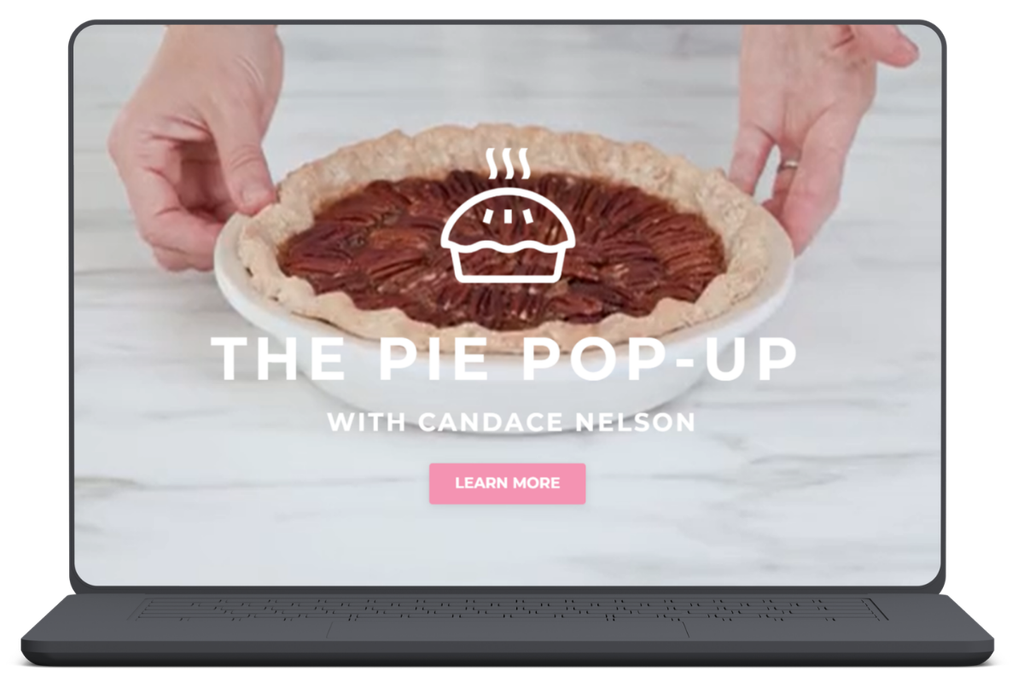
Her experience demonstrates how baking knowledge can be packaged into a digital product, but it also offers an important lesson about the risks of starting with something too ambitious.
For established bakers considering their first digital product, both sides of her experience are worth examining.
How Can Bakers Make Money From Their Knowledge Instead of Taking More Orders?
Most baking businesses begin by selling physical products. Customers pay for cakes, cookies, cupcakes, bread or other baked goods, and the baker earns money by producing and delivering those orders.
As the business develops, however, the baker also accumulates something that is not always reflected in the price of the finished product: knowledge.
Every recipe that has been refined, every technique that has been mastered and every production problem that has been solved represents experience that another baker may find valuable.
A custom cake maker, for example, may have developed a reliable method for stacking tall cakes, transporting delicate designs or achieving consistently smooth buttercream. A cookie baker may understand how different ingredients affect texture, how to prevent excessive spreading or how to produce consistent results when baking larger quantities.
These skills are already being used in the physical business, but they may also have value as educational products.
Selling baking knowledge online allows bakers to package their expertise into resources that can be purchased without requiring them to produce another physical order.
This does not mean digital products generate sales automatically or eliminate the work involved in running a business. They still require product development, marketing, customer support and an audience willing to pay for the information.
They do, however, create an opportunity to earn from knowledge that would otherwise remain tied to physical production..
Candace Nelson’s experience provides an example of how an established baker can extend her expertise beyond the products for which she originally became known.
Curious About Digital Products?
Get The Home Baker’s Guide To Starting A Digital Bakery
If you enjoy baking and sharing your recipes, whether at local events, on social media or with friends and family, this free guide will help you explore how your recipes, baking skills and knowledge could become digital products you can sell online.
From Sprinkles Cupcakes to an Online Baking Course
Candace Nelson is best known as the founder of Sprinkles Cupcakes, which opened its first bakery in Beverly Hills in 2005.
Sprinkles helped establish cupcakes as a premium, specialist bakery product and subsequently expanded beyond its original location. Candace became closely associated with the brand and developed a public profile as a baker and entrepreneur.
Given that background, she could have continued concentrating exclusively on cupcakes or other physical bakery products. Instead, she also explored the possibility of selling her baking expertise through digital education.
Interestingly, the subject she chose was not cupcakes.
She developed an online course focused on making pies, drawing on the techniques and knowledge she had acquired while improving her own pie-making skills.
The choice illustrates an important distinction for bakers considering digital products: the knowledge you sell does not necessarily have to cover everything your business produces, nor does it have to be the product that originally made you successful.
What matters is whether you have developed expertise that helps a particular audience achieve a result they value.
What Can Bakers Sell as a Digital Product?
One of the first decisions a baker needs to make is what type of digital product to create.
A recipe ebook is one possibility, but it is not the only way to package baking knowledge. Depending on the subject and the level of instruction required, a baker might create a downloadable guide, a recorded class, a live workshop or a more comprehensive online course.
Candace chose the course format for her pie-making product.
Rather than offering a simple collection of pie recipes, she developed a structured learning experience designed to help students understand the techniques involved in making pies successfully.
Her course includes step-by-step instruction covering essential pies and signature crust recipes, alongside additional materials intended to support the learning process.
The distinction between a recipe collection and a structured course is important.
A recipe tells someone which ingredients to use and what steps to follow. A more comprehensive educational product can also explain why those steps matter, how to recognise problems and what to do when the result is not quite right.
For someone struggling with pastry, that additional guidance may be the difference between repeatedly following a recipe without success and developing the confidence to make adjustments independently.
Candace’s course was designed around that broader learning experience.
Why Your Baking Experience Can Be Valuable to Other People
One interesting aspect of Candace’s approach is that she did not position pie-making as something that had always come naturally to her.
She discussed the difficulties she had encountered while developing her skills, including soggy pastry, inconsistent fillings, cracked custards and crusts that did not behave as expected.
These are familiar problems for many people learning to make pies.
By explaining the difficulties she had experienced and the techniques she developed to overcome them, Candace could teach more than the finished recipes.
She could also explain the decisions and adjustments involved in achieving a consistent result.
This is worth considering when evaluating your own baking knowledge.
The skills you now perform almost automatically may have taken years to develop. You might no longer think twice about adjusting the consistency of a cake batter, recognising when bread has proofed sufficiently or knowing when a filling is stable enough to use.
Someone who has not yet developed that experience may find those same decisions difficult.
Your knowledge becomes particularly useful when you can identify a specific problem and explain how your experience helps someone solve it. Sabrine Sanon’s story provides another example of turning a specialist baking skill into a digital product.
However, having expertise is only the starting point. Before turning it into a paid product, you also need to establish whether there is an audience that wants to learn it.
Should You Create a Recipe Ebook or an Online Baking Course?
When bakers begin exploring digital products, it can be tempting to create something comprehensive.
A full online course may feel more substantial than a short guide, particularly when you have years of experience and a great deal of information to share.
But a larger product also introduces additional work and expense.
Depending on its format, an online baking course may require lesson planning, filming, editing, downloadable materials, a learning platform and ongoing support for students.
A recipe ebook or instructional guide generally has fewer production requirements. You can focus on organising your knowledge, testing the instructions, preparing the supporting photographs and presenting the information clearly.
Neither format is automatically better. The appropriate choice depends on what your audience needs, how the information is best taught and how much demand you have established.
However, for bakers who are just beginning to sell digital products, I recommend starting with something simple, such as a focused recipe ebook or instructional guide. As we’ll explore later in this article, starting small allows you to test whether your audience is willing to pay for your knowledge without committing the time, money and resources required to develop a comprehensive online course.
Candace’s reflections on developing her pie course are particularly relevant to this decision.
Why Candace Nelson Believed She Should Have Started Smaller
Despite her experience building a successful bakery brand, Candace later reflected on the substantial investment involved in creating her online course.
In discussing the experience, she acknowledged that she had approached the project on a large scale rather than beginning with a smaller offer.
She suggested that starting with something simpler, such as a live class, could have allowed her to test the idea before committing to a more extensive product.
This is an important lesson because it highlights the difference between having the expertise to create a digital product and knowing whether the market will support the product you intend to build.
An established reputation can provide an advantage, but it does not remove the need to understand what customers want or how much they are prepared to pay.
What her experience illustrates is the value of testing a smaller offer before making a larger investment.
For a baker creating a first digital product, the same principle applies. Rather than immediately developing a course covering every aspect of cake decorating, for example, you might begin with a focused guide addressing one technique your audience repeatedly asks about.
Instead of compiling 50 recipes into a cookbook, you could test interest in a smaller collection centred on one type of bake.
A smaller product allows you to concentrate on a clearly defined result while learning whether customers are willing to pay for your knowledge.
How Do You Validate a Baking Digital Product Before Creating It?
One of the biggest risks when creating a digital product is assuming that because you enjoy teaching something, other people will want to buy it.
You might love making sourdough bread, have dozens of recipes for brownies or be particularly skilled at decorating celebration cakes. Those interests and abilities give you potential product ideas, but they do not establish demand.
Validating a digital product means gathering evidence that a specific audience wants the solution you are considering and is willing to pay for it.
For established bakers, the most practical starting point is often the audience they have already built through their physical business.
Your existing customers and followers may be giving you useful information through the questions they ask, the products they order and the content they respond to.
Look for Questions Your Audience Is Already Asking
Begin by examining the conversations you have with customers and followers.
Do people regularly ask how you achieve a particular cake texture? Are they interested in the fillings you use for your cookies? Do other bakers ask how you prepare for markets or organise your production schedule?
Repeated questions can reveal gaps in your audience’s knowledge.
For example, a baker who is known for red velvet cakes may notice that followers frequently ask how to achieve a moist sponge or prepare a cream cheese frosting that holds its shape.
Those questions could suggest an opportunity for a focused recipe ebook or instructional guide.
However, it is important to distinguish between curiosity and purchase intent. Someone asking for a free recipe is not necessarily willing to buy an ebook. The questions are a reason to investigate the idea further, not proof that it will sell. Yessica Vera’s experience offers a practical example of building an audience before launching a recipe ebook.
Test Interest Before Developing the Complete Product
Once you have identified a possible product, look for ways to test the subject without creating the entire resource.
You could share a short video demonstrating one part of the technique, publish a useful baking tip or ask your audience which aspect of the process they find most difficult.
Pay attention to the responses. Comments, questions, saves, shares and direct messages can help you understand which aspects of the subject generate interest.
You can then investigate whether that interest extends to a paid offer.
For example, you might invite people to register for a small paid workshop on the technique or offer a clearly described ebook for preorder, provided you can fulfil the offer as promised.
These tests involve more commitment from potential customers than simply liking a social media post.
They can also provide useful information about the format people prefer, the result they expect and the questions your eventual product needs to answer.
Use Feedback to Refine the Product
Validation is not limited to deciding whether to create something. It can also help you determine what the product should include.
If your audience is interested in learning to make cookie pies but repeatedly struggles with unstable fillings, that may be an important subject to address in your guide.
If people understand the recipes but find the assembly process difficult, additional photographs or a short demonstration video may be more useful than adding more flavours.
The aim is to create a product around a clearly identified need rather than filling it with information simply because you have that knowledge available.
This is also why starting small can be advantageous. It gives you an opportunity to learn from your first customers before investing in a more extensive product.
READY TO TEST YOUR OWN IDEA?
Turn audience interest into one digital product idea worth testing.
The Digital Bakery Starter Plan helps you narrow your ideas down to one product and work out whether there’s enough interest before you spend weeks creating it.
Why a Recipe Ebook Can Be a Practical First Digital Product for Bakers
For an established baker who has not previously sold educational products, a focused recipe ebook can be a manageable way to begin.
You already have the foundation: recipes you have developed, techniques you understand and practical experience gained through your baking business.
Instead of creating an entirely new product from scratch, you can organise a carefully selected part of that knowledge into a resource that helps someone achieve a particular result.
A recipe ebook might teach customers how to make a collection of your signature cookies, master a specific cake recipe or prepare a particular type of pastry.
An instructional guide might focus on a technique, such as creating stable buttercream, assembling a tiered cake or improving the consistency of sourdough bread.
The most useful format depends on what your audience is trying to accomplish.
Focus on One Problem Rather Than Everything You Know
Imagine that you run a bakery specialising in celebration cakes and have developed a reputation for your red velvet cakes.
You could create a general cake-decorating course covering sponges, fillings, frostings, stacking, decorating and transportation. Alternatively, you could begin with a focused guide teaching customers how to make your red velvet cake successfully.
That guide might include the recipe, explanations of the ingredients, photographs of important stages, frosting instructions, storage guidance and troubleshooting advice.
The smaller product has a more clearly defined purpose and requires less content to develop.
It also gives you an opportunity to discover whether your audience wants more detailed instruction on related subjects.
You might eventually expand into a larger course, but you would be making that decision with more information than you had at the beginning.
The important point is not that every baker should sell an ebook before creating a course. It is that your first product should be simple. Start with something your audience has shown interest in and that you can create without investing too much time or money.
How to Turn Your Baking Knowledge Into Your First Digital Product
If you already run a baking business and are considering selling your knowledge, you do not need to begin by planning an extensive product library.
A more practical approach is to identify one opportunity and work through it systematically.
1. Identify the Knowledge Your Audience Values
Start with the recipes, techniques or processes for which you are already known.
Consider which products generate the most interest, what customers repeatedly ask about and which parts of your process other bakers want to understand.
Look for the overlap between your experience and your audience’s needs.
2. Choose One Specific Result
Rather than creating a general baking guide, identify the outcome your product will help someone achieve.
For example, a guide on making soft, moist gluten-free cakes has a more specific purpose than a general introduction to gluten-free baking.
A resource explaining how to prepare stable cookie fillings is more focused than a collection of everything you know about cookies.
A clearly defined result makes it easier to decide what information belongs in the product and what can be left out.
3. Validate the Idea With Your Audience
Before investing substantial time in production, test whether people are interested in the result you intend to teach.
Use the audience you already have to gather feedback, identify objections and, where practical, test willingness to pay through a smaller offer.
If the response is limited, investigate why before proceeding. The subject, format, price or intended audience may need to change.
4. Select the Simplest Suitable Format
Choose a format that communicates the information effectively without introducing unnecessary complexity.
Some subjects are well suited to a recipe ebook with photographs and written instructions. Others may benefit from video demonstrations or a live class where students can ask questions.
The format should serve the learning outcome rather than determine the size of the project.
5. Organise Your Knowledge Into a Useful Resource
Once you have established a promising idea, organise the content into a logical sequence.
Think about what someone needs to understand before beginning, the steps they need to follow, the problems they may encounter and the information that will help them achieve a consistent result.
Test your instructions with someone who does not already know your process. This can reveal missing details or assumptions that are easy to overlook when you have been baking the same products for years.
If you decide to create a downloadable resource, a well-structured template can help you organise your recipes, instructions, photographs and supporting information without having to design every page from scratch.
The objective is to create a product that is genuinely useful, easy to follow and appropriate for the problem your customer wants to solve.
What Can Established Bakers Learn From Candace Nelson’s Digital Product Experience?
Candace Nelson’s transition from physical bakery products to online baking education demonstrates that a baker’s commercial opportunities do not have to end with the products they make.
The recipes, techniques and problem-solving skills developed through a baking business can also become the foundation of educational products.
Her pie course illustrates how that knowledge can be organised into a comprehensive learning experience. Rather than simply presenting recipes, the course combines instruction, troubleshooting and supporting resources to help students develop their skills.
But her reflections on the scale of the project offer an equally important lesson.
Even an experienced entrepreneur with an established reputation can benefit from testing a smaller offer before committing to a substantial digital product.
For bakers who are considering their first recipe ebook, instructional guide or online course, the priority should not be to create the most comprehensive product possible.
It should be to identify a problem your audience wants to solve, establish whether people are willing to pay for the solution and develop a product that delivers a clear result.
READY TO PACKAGE YOUR RECIPES?
Turn the recipes people already ask you for into a professional ebook.
If your audience is already asking for recipes, saving your baking content or messaging you for tips, you may already have the beginnings of a digital product.
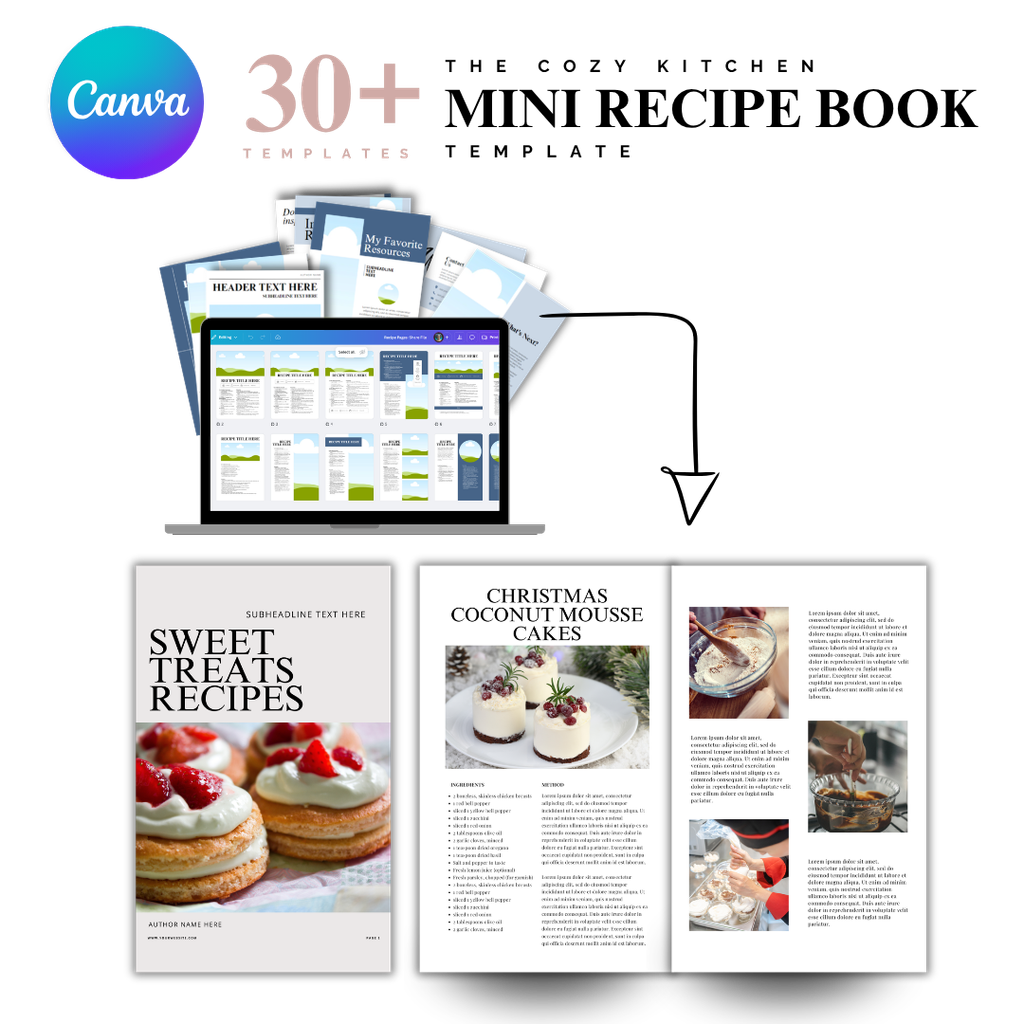
The Recipe eBook Template gives you a done-for-you structure to turn those recipes into a polished ebook you can sell without starting from a blank page.
You can expand your digital product range as you gain experience, understand your customers and gather evidence of demand.
The opportunity is not simply to sell more products. It is to make better use of the expertise you have already developed while building a business that is less dependent on your ability to fulfil additional physical orders.
FREQUENTLY ASKED QUESTIONS
Questions bakers often ask about digital products
Can you make money selling baking knowledge online?
Yes. Bakers can sell their knowledge through recipe ebooks, instructional guides, online courses, workshops and other educational products. Whether these products generate a profit depends on factors such as audience demand, pricing, production costs and the ability to reach potential customers. Existing baking experience provides a foundation, but it does not guarantee sales.
What is the easiest digital product for a baker to create?
A focused recipe ebook or instructional guide can be a manageable starting point for a baker who already has tested recipes and established techniques. These formats generally require fewer production resources than a comprehensive video course. However, the appropriate first product depends on what your audience wants and how the subject is best taught.
Do you need a large social media following to sell a recipe ebook?
There is no universal minimum follower count required to sell a recipe ebook. A smaller audience with a strong interest in a specific subject may be commercially relevant, but audience size and engagement alone do not establish demand. Before creating a product, look for evidence that people want the information and are prepared to pay for it.
How can I tell whether people will buy my baking ebook?
Start by examining recurring questions, requests and problems within your existing audience. You can then test interest through relevant content, direct conversations or a smaller offer. A paid workshop or properly managed preorder may provide stronger evidence of purchase intent than likes, saves or positive comments alone..
Editorial note:
This is an independent case study based on Candace Nelson’s publicly shared experience and information about her pie-making course. It is not an endorsement by, or an interview with, Candace Nelson.